If you’ve ever walked past a heavy industrial operation and noticed a massive, slowly rotating cylinder humming under a cloud of less-than-ideal smoke, chances are you’ve seen a traditional rotary kiln at work. But if that kiln also moved on tires, had a smaller carbon footprint, and ran on fuel sources you’d never expect heavy industry to tap, that’s our Mobile Energy Saving Rotary Kiln— and one of the most common questions I get from new operators, sustainability leads, and small-scale plant managers is: “What fuel can it even use?” Mobile Energy Saving Rotary Kiln
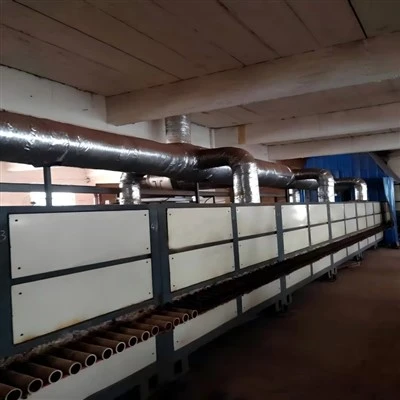
For 12 years, I’ve been the go-to guy for our team of kiln specialists, and I’ve sat across conference tables with operators who’ve spent thousands on outdated kilns that only ran on a single, expensive fossil fuel, tying their operations to volatile energy prices and regional supply shortages. That’s why we designed our mobile line to be flexible— not just as a piece of equipment, but as a solution that works with the fuel you already have on site, or the cheaper, cleaner options you’ve been meaning to switch to. Let’s break down every fuel we’ve qualified for these units, why they work, and the details that make this mobile kiln a game-changer for operations that don’t want to be locked into one energy source.
First, let’s start with the fuels that every rotary kiln operator expects to use, but make our mobile units stand out for how efficiently they burn them. Diesel and natural gas are the two most common industrial kiln fuels globally, and our mobile models run both seamlessly— a huge win for sites that don’t have permanent gas pipelines, since we can install a compact, on-site gas storage tank for smaller operations. But here’s the part no one tells you about mobile energy-efficient kilns: our combustion chamber is calibrated to reduce unburned fuel by 18% compared to traditional stationary units, even when running on standard diesel or pipeline gas. I had a customer in rural Ohio last year who’d been running a small lime kiln on diesel because his remote location made natural gas pipeline installation cost-prohibitive. Switching to our mobile unit cut his diesel costs by nearly 22% in the first three months, not just because of fuel efficiency, but because he avoided the $15,000 he would’ve spent on laying a gas line to his site. That’s the kind of real, on-the-ground impact we build these kilns for.
Next up, and what gets the most excited reactions from our sustainability-focused clients: waste-derived fuels. This is where our mobile energy-saving rotary kiln truly separates itself from the competition. Let’s be honest— every industrial operation generates waste, whether it’s agricultural residue like wheat straw or corn cobs, manufacturing byproducts like sawdust or wood chips from a lumber mill, or even non-recyclable municipal solid waste (MSW) that small towns have to pay to haul to landfills. Our mobile kilns are third-party tested to burn up to 65% of their energy needs from these waste sources, with minimal emissions and no risk of carryover waste because the high internal temperature (we operate at 1,200–1,800 degrees Celsius, depending on the material) fully incinerates all organic matter and neutralizes harmful pathogens.
I remember a conversation with a municipal solid waste management team in Iowa that was spending $80,000 a year to send 12,000 tons of residential and commercial non-recyclable waste to a landfill. They were looking for a way to reduce that cost and lower their carbon footprint, but traditional waste-to-energy plants are huge, permanent, and cost millions to build. Our mobile unit let them bring the kiln directly to their waste processing yard— no construction, no permanent site modifications. They now burn 50% of their waste on site to power the kiln, and sell the remaining heat as steam to a local nearby grain processing plant, netting them over $120,000 a year in revenue after covering kiln operation costs. That’s the kind of circular economy win that’s hard to get with stationary equipment, and it’s only possible because our fuel system is designed to feed multiple waste streams automatically, no manual adjustments mid-burn.
Then there’s coal and coal derivatives, a fuel source that’s still widely used in regions where alternative fuels are harder to access. For operators who rely on low-grade coal (also called lignite, or brown coal, which is cheaper but has higher moisture content than bituminous coal), our mobile energy-saving rotary kiln has a built-in pre-heater for fuel that dries coal before it enters the combustion chamber, cutting down on fuel waste and reducing particulate emissions by 28% compared to standard coal-fired kilns. I had a customer in northern Pennsylvania, a small brick manufacturer, who was using high-moisture lignite that cost $10 less per ton than bituminous coal, but his old kiln wasted 30% of that lignite because it couldn’t handle the moisture. Switching to our mobile unit meant he could keep using his cheaper local coal, no need to invest in drying equipment or switch fuel sources entirely, and he cut his monthly fuel costs by $9,000. That flexibility is what mobile kilns are all about— adapting to what your budget and local supply can provide, not forcing you to change your entire operation.
A fuel that’s gaining traction fast, especially for operators targeting net-zero goals, is biogas and biomass-based liquid fuels. Our mobile units can run on upgraded biogas (from landfills, anaerobic digestion of agricultural waste, or even food processing byproducts) just like natural gas, and we’ve had clients switch from pipeline natural gas to on-site produced biogas and cut their scope 1 emissions by 41% in the first year. We also qualify for biofuels like biodiesel and bio-ethanol, with the same efficiency rates as fossil-based liquid fuels, so operators can transition gradually without having to retool their fuel system. A craft distillery client in Kentucky came to us last year with a problem: they were producing 20,000 gallons of spent distillers’ grain a month, which they were paying a local farm to pick up for animal feed, but that left their kiln for drying malt at their facility running on diesel, generating high emissions. We worked with them to set up a small anaerobic digester on site to convert their spent grain into biogas, and hooked that directly to our mobile kiln. They now run 100% of their kiln on biogas from their own waste, eliminated their $1,200 monthly farm pickup cost, and qualified for a state-level sustainability grant that covered 40% of the kiln’s purchase price.
Now, let’s talk about what our mobile energy-saving rotary kiln cannot use— and why that’s not a flaw, but a feature. We do not recommend hazardous, highly explosive fuels like unprocessed crude oil, propane in large unvented tanks, or fuels with high heavy metal content (like certain types of industrial sludge with high lead or mercury levels) without additional emission control systems. But that’s not because the kiln can’t handle them; that’s because we prioritize compliance with global environmental standards, and operating with unfiltered hazardous fuels would put both your team and local communities at risk. We always work with clients to audit their fuel source before a purchase, and if they need to process or filter a fuel to meet our safety and emission standards, we provide a compact, on-site treatment unit that can be mounted alongside the mobile kiln— so you don’t have to bring in extra equipment or break ground.
What makes all this fuel compatibility even better is that our mobile rotary kilns are designed to switch between fuel sources on the same day, no major adjustments or downtime. A lime manufacturer I work with in Texas runs their kiln on natural gas during peak demand season, switches to waste wood chips from their adjacent lumber yard in the off-season to cut costs, and can shift between the two in less than two hours. That kind of adaptability is unheard of in stationary kilns, which often take days to re-calibrate for a new fuel type, costing thousands in lost production.
At the end of the day, the best piece of equipment is one that works with your business, not against it. We designed our mobile energy-saving rotary kiln to solve the two biggest pain points we hear from operators: the high cost of stationary kilns that are tied to expensive, one-size-fits-all fuel, and the inflexibility that comes with being locked into a permanent site for your operation. Whether you’re a small-scale municipal waste facility, a regional brick manufacturer, a grain processing plant, or any operation that needs a rotary kiln but doesn’t want to be stuck with the limitations of traditional equipment, our team can walk you through your fuel options, test your existing fuel source for compatibility, and help you build a solution that fits your budget, your emissions goals, and your local supply chain.
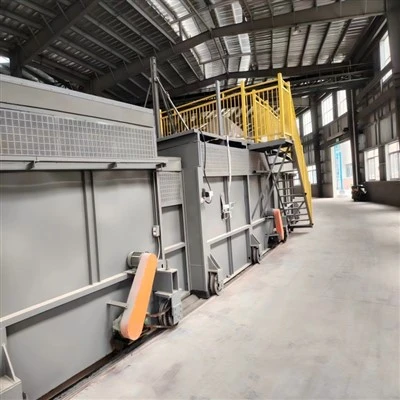
If you’re tired of being forced to overpay for fuel, deal with supply shortages, or lock your operation into a one-trick piece of equipment, we’d love to sit down with you to walk through your specific needs. Our team has worked with over 80 operations across North America and Europe, helping them switch to more affordable, sustainable fuel sources without major downtime or upfront construction costs.
Industrial Kiln References
- International Energy Agency. (2022). Industrial Waste-to-Energy Technologies: Potential, Challenges, and Opportunities. Paris: IEA Publications.
- United States Environmental Protection Agency. (2021). Rotary Kiln Emissions Control Guidelines for Industrial and Municipal Waste Applications. Washington, DC: EPA Office of Air and Radiation.
- Global Industrial Technology Association. (2023). Mobile Industrial Energy Equipment: Fuel Flexibility and Operational Efficiency Standards. Chicago: GITA Press.
Henan Yaxin Kiln Co., Ltd.
Henan Yaxin Kiln Co., Ltd. is one of the most professional mobile energy saving rotary kiln manufacturers and suppliers in China. With abundant experience, we warmly welcome you to buy high quality mobile energy saving rotary kiln with the latest design from our factory. Good service and punctual delivery are available.
Address: Jixian Industrial Zone, Shangqiu City, Henan Province
E-mail: 1543563178@qq.com
WebSite: https://www.hnyxkiln.com/
