If you’ve ever spent any time on cross-country highways, you’ve probably noticed big trailers being pulled behind semi-trucks — but not all trailers are made the same. As someone who’s been selling flatbed semi-trailers for over a decade, I still get questions all the time: “Wait, is that a flatbed, or just a regular trailer?” It’s a totally fair question, honestly — to the untrained eye, they might look like they do the same job, but trust me, the differences go way deeper than surface level, and picking the wrong one can cost you time, money, and a whole lot of headaches on the road. Flatbed Semi Trailer

Let’s start with the basics, because that’s where most people mix them up. A “regular trailer” (most of the time, when people say that, they’re referring to a dry van trailer) is the enclosed box-shaped thing you see hauling everything from Amazon packages to clothing to furniture. It’s like a rolling closet — sealed tight, with walls, a roof, and even sometimes climate control for sensitive stuff. A flatbed semi-trailer? That’s the open, flat metal platform with no walls or sides, sometimes with a few short stakes along the edges, just enough to lash down a load. At first glance, that open space might seem less useful, but that’s where its superpower kicks in: flexibility.
First up, load compatibility, and this is the big one. Regular dry vans can only haul loads that fit inside that box, right? So if you’ve got something too long, too wide, too tall, or too heavy, it just won’t fit — full stop. I can’t tell you how many times I’ve had a construction client call me panicking because they rented a dry van for steel beams, only to get to the job site and realize the beams stick out 10 feet past the back doors. Flatbed trailers? They’re built for exactly that. We’ve hauled 60-foot electrical transformers, 40-foot shipping containers, prefab home walls, even heavy construction equipment like skid steers and bulldozers. Since there’s no roof or walls, you can adjust how the load sits, use tie-downs and chains to secure it, and it doesn’t matter if it’s oddly shaped. That doesn’t mean flatbeds can only do big, heavy stuff, either — we haul everything from landscaping materials like lumber and rocks to event gear like stage trusses and festival tents. A dry van would never let you load 2x4s by the pallet without them getting damaged in the rain or covered in dust, but a flatbed lets you tarp it up tight in minutes to keep everything dry.
Next, weight and capacity, and this is where the engineering differences really show. Regular dry van trailers usually max out around 45,000 to 50,000 pounds of cargo, right? Part of that is because the enclosed structure adds weight — those walls, roof, and framing don’t pull their weight when you’re trying to move heavy stuff. Flatbed semi-trailers, though, are built lighter and more robust, depending on the model. A standard flatbed can handle up to 48,000 to 55,000 pounds, and if you get a heavy-duty model? We’ve got ones that go up to 80,000 pounds, perfect for construction or agricultural hauling. That extra capacity makes a huge difference for businesses — haul one load of steel with a flatbed, and you can sometimes skip a second trip, which saves on fuel, driver time, and permit fees. Another thing most people don’t know: regular trailers have height limits because of that roof. If you’re hauling something over 10 feet tall, you’ll have to get a special permit for a dry van, but most flatbeds let you adjust the load height to stay under standard overpass limits, no extra paperwork needed.
Then there’s loading and unloading, which is a total game-changer for operations teams. Dry vans are sealed boxes, so you’ve got to load and unload through those big rear doors (some have side doors, but that’s less common). That means you need a dock or a forklift that can reach the back doors, and you can only access the load from one side usually. Flatbeds? You can load from any angle — front, back, both sides — which is a massive help when you’re dealing with super heavy loads that need to be positioned just right. We’ve got customers who use cranes to lower entire pieces of construction equipment straight onto the flatbed, no fumbling around with doors or tight spaces. Unloading is just as easy: if you’ve got a big load, you can use a forklift or even a winch to slide it off, no need to maneuver it through a narrow door. The flip side, though, is that loading a flatbed takes a little more care — you can’t just stack boxes and seal it up; you have to make sure the load is balanced, use the right tie-downs, and put a tarp over it if the weather’s bad. But for most businesses, the tradeoff of that flexibility is worth it.
Wait, let’s talk about costs, because that’s what everyone cares about. When people ask me which is cheaper, I always say “it depends” — but here’s the breakdown. Flatbed semi-trailers have a higher upfront cost, right? Because they’re built to handle heavier loads and more rugged use. A new 48-foot dry van might run around $15,000 less than a comparable flatbed. But wait, don’t jump to conclusions. If you’re hauling irregular or heavy loads, you’re going to have to pay extra for special permits for oversized loads if you use a regular trailer, and you might have to make multiple trips, which adds fuel and labor costs. A lot of my customers who switched from dry vans to flatbeds for construction or agricultural hauling ended up saving 20-25% a year on logistics costs because they can carry more per trip and don’t have to deal with all the extra permit and delay fees. Also, maintenance: flatbeds tend to have less breakdowns for heavy use, because their design is simpler — fewer parts to go wrong, no enclosed electrical systems that can get damaged in tough weather. Dry vans, on the other hand, have more things to repair: door hinges, roof leaks, HVAC systems if they’re refrigerated, that sort of thing.
Oh, and let’s not forget about special use cases, because that’s where the two really diverge. Regular trailers come in different flavors: reefers (refrigerated) for food and medicine, dry vans for general cargo, even curtain-side trailers that have soft sides that open up. But all of them are enclosed. Flatbeds have their own special variants too: gooseneck flatbeds that connect tighter to the truck for heavier loads, extendable flatbeds that can stretch to 80 feet for super long items like wind turbine blades, lowboy flatbeds that ride lower to the ground for extra tall equipment. If you’re hauling perishable goods, a reefer is the only way to go — a flatbed would let the temperature swing too much. If you’re hauling steel beams or prefab walls, a flatbed is the only practical option. If you’re hauling retail goods that need to stay clean and dry, a dry van is your guy.
I’ve seen too many businesses make the mistake of renting a regular trailer because it seems cheaper, only to end up stuck with a load that won’t fit, or paying extra fees because they need an oversized load permit that the regular trailer doesn’t qualify for. Last year, a small landscaping company called me — they’d rented three dry vans to haul 2x4s and patio stones for a big neighborhood project, and two of the vans had leaks, so half their lumber was ruined by rain. They ended up paying for replacement lumber, delayed the project, and missed a deadline, costing them thousands in penalties. If they’d used flatbeds with heavy-duty tarps, they could’ve loaded all their gear faster, avoided the damage, and finished on time. That’s the kind of story that makes me talk so much about the differences — it’s not just about specs, it’s about saving your business money and stress.
Another thing: driver preference? Wait, no, more like driver safety. Flatbed trailers require a little more skill to drive, because the load is exposed and can shift if it’s not secured right. But modern flatbeds have better tie-down systems, and we offer training resources for new drivers, so that’s not as big a barrier as it used to be. Regular trailers are more straightforward for new drivers, but they come with all the limits we talked about.
Let me sum this up, because I know it’s a lot. Regular (dry van) trailers are your go-to for enclosed, temperature-controlled, standard-sized cargo that needs protection from the elements. They’re cheaper upfront, easier for new drivers, but super limited on load size, shape, and weight. Flatbed semi-trailers are built for flexibility, heavy loads, and irregular items. They cost more upfront, but they save you money long-term by cutting down on trips, permits, and damage. At the end of the day, it all comes down to what you’re hauling. If your loads fit inside a box, go with a regular. If your load is too big, too heavy, or oddly shaped, or you need to haul things that can get wet, a flatbed is the way to go.
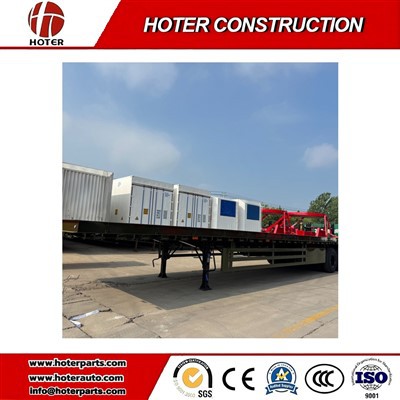
If you’re not sure which one fits your business, or you’re ready to upgrade your fleet with new or used flatbed semi-trailers, I’m here to help. We work with businesses of all sizes — from small local contractors to large construction companies — to find the right trailer for their specific needs, offer flexible financing, and even provide maintenance support to keep your rigs on the road. Don’t end up like that landscaping crew I mentioned last year, dealing with avoidable delays and costs. Reach out, and we can chat about your hauling needs, answer any questions you have, and get you set up with the right equipment to keep your operations running smoothly.
Side Wall Trailer References:
- American Trucking Associations. "Commercial Trailer Specifications & Compliance Guidelines." 2023.
- Flatbed Trailer Manufacturers Association. "Load Capacity and Design Standards for Flatbed Semi-Trailers." 2022.
- National Association of Small Trucking Companies. "Cost Comparison: Dry Van vs. Flatbed Hauling for Small Businesses." 2023.
- Federal Motor Carrier Safety Administration. "Oversized Load Permit Requirements for Commercial Vehicles." 2022.
- Construction Equipment Guide. "Hauling Pre-Fabricated Materials: Best Practices for Flatbed Trailers." 2023.
Zhangzhou Hoter Construction Machinery and Parts Co., Ltd.
As one of the most professional flatbed semi trailer manufacturers and suppliers in China, we’re featured by quality products and good price. Please rest assured to wholesale high-grade flatbed semi trailer for sale here from our factory. Contact us for more details.
Address: No. 3/4-41, Ziwei Road, Longhai, Zhangzhou city, Fujian province, China
E-mail: info@hoterparts.com
WebSite: https://www.hoterparts.com/
