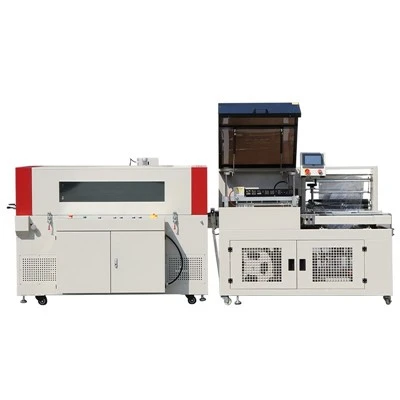
As a supplier of Smart Packaging Systems, I’m constantly exploring innovative ways to enhance the functionality and value of our products. One of the most promising technologies I’ve come across in recent years is blockchain. In this blog, I’ll delve into how smart packaging systems can leverage blockchain technology to revolutionize the packaging industry. Smart Packaging Systems
Understanding Smart Packaging Systems
Before we dive into the integration of blockchain, let’s first understand what smart packaging systems are. Smart packaging goes beyond the traditional role of protecting and containing products. It incorporates sensors, indicators, and other intelligent elements to provide real – time information about the product’s condition, authenticity, and supply chain status.
For example, smart labels can track temperature, humidity, and shock during transportation. This is crucial for products like pharmaceuticals and perishable foods, where environmental conditions can significantly affect their quality and safety. Additionally, smart packaging can also be used for anti – counterfeiting purposes, allowing consumers to verify the authenticity of the product using a smartphone app.
The Role of Blockchain in Smart Packaging
Blockchain is a decentralized digital ledger that records transactions across multiple computers in such a way that the registered transactions cannot be altered retroactively. This technology offers several key features that make it an ideal fit for smart packaging systems:
Immutability
Once data is recorded on the blockchain, it cannot be changed or deleted without the consensus of the network. This means that the information stored on the blockchain is reliable and tamper – proof. In the context of smart packaging, this can be used to ensure the integrity of product – related data, such as manufacturing dates, batch numbers, and quality control records.
For instance, when a product is manufactured, all relevant production data can be recorded on the blockchain. This data can then be accessed by stakeholders throughout the supply chain, from distributors to retailers and consumers. If any changes occur during the transportation or storage of the product, such as a deviation in temperature, the smart packaging can record this event on the blockchain. Since the data is immutable, all parties can trust the information, which helps in quickly identifying and addressing any potential issues.
Transparency
Blockchain provides a transparent view of the entire supply chain. Every transaction and event recorded on the blockchain is visible to all authorized participants. This transparency can prevent fraud and improve trust among stakeholders.
In our case, consumers can use their smartphones to scan a QR code on the smart packaging. This will give them access to a detailed history of the product, including its origin, production process, and journey through the supply chain. This level of transparency not only helps in building brand trust but also allows consumers to make more informed purchasing decisions. For companies, it can also help in demonstrating compliance with regulatory requirements and ethical sourcing practices.
Traceability
Blockchain enables end – to – end traceability of products. Each step of the product’s life cycle, from raw material sourcing to delivery to the end – user, can be recorded on the blockchain. This helps in quickly identifying the source of any problems, such as a product recall.
If a foodborne illness outbreak is linked to a particular product, the traceability feature of blockchain in smart packaging can help in quickly identifying the affected batches and their distribution channels. This reduces the time and cost associated with product recalls and minimizes the potential harm to consumers.
Implementing Blockchain in Smart Packaging
To implement blockchain technology in smart packaging systems, there are several steps that need to be taken:
Data Collection
The first step is to collect relevant data from the smart packaging. This includes data from sensors, such as temperature, humidity, and shock levels, as well as information about the product’s origin, manufacturing process, and packaging details. The smart packaging should be equipped with the necessary hardware and software to collect and transmit this data securely.
Blockchain Platform Selection
There are several blockchain platforms available in the market, each with its own features and capabilities. When selecting a blockchain platform for smart packaging, factors such as scalability, security, and ease of integration need to be considered. Some popular blockchain platforms include Ethereum, Hyperledger Fabric, and Corda.
Integration with Existing Systems
The smart packaging system needs to be integrated with the company’s existing enterprise resource planning (ERP), supply chain management (SCM), and customer relationship management (CRM) systems. This ensures that the blockchain – based data can be easily accessed and utilized by all relevant departments within the organization.
User Training and Education
Employees, partners, and consumers need to be educated about how to use the blockchain – enabled smart packaging systems. This includes training on how to access and interpret the data on the blockchain, as well as understanding the benefits of using the technology.
Use Cases of Blockchain – Enabled Smart Packaging
Food Industry
In the food industry, blockchain – enabled smart packaging can help in ensuring food safety and quality. For example, a smart label on a package of fresh produce can record the temperature during transportation. If the temperature exceeds the recommended range, this information is immediately recorded on the blockchain. Retailers can then use this data to make decisions about whether to sell the product or not.
Consumers can also use the blockchain – based information to learn about the origin of the food, such as where it was grown and how it was processed. This transparency can increase consumer trust and encourage the purchase of high – quality, sustainably produced food.
Pharmaceutical Industry
The pharmaceutical industry is highly regulated, and product authenticity and integrity are of utmost importance. Blockchain – enabled smart packaging can be used to prevent the sale of counterfeit drugs. Each drug package can be assigned a unique digital identity on the blockchain, which can be verified by healthcare providers and consumers.
In addition, the blockchain can store information about the drug’s manufacturing process, storage conditions, and distribution history. This helps in ensuring that the drug is stored and transported under the right conditions, maintaining its efficacy and safety.
Luxury Goods Industry
In the luxury goods industry, counterfeiting is a major problem. Blockchain – enabled smart packaging can provide consumers with a way to verify the authenticity of luxury items. The blockchain can store information about the product’s design, materials, and manufacturing details, which can be compared with the physical product.
For example, a high – end watch can have a smart tag that records its unique serial number and manufacturing history on the blockchain. Consumers can scan the tag using their smartphones and access this information, ensuring that they are purchasing a genuine product.
Conclusion
Blockchain technology has the potential to transform smart packaging systems by enhancing data security, transparency, and traceability. As a supplier of Smart Packaging Systems, I believe that integrating blockchain into our products will not only provide added value to our customers but also help in addressing some of the most pressing challenges in the packaging industry, such as counterfeiting and supply chain inefficiencies.
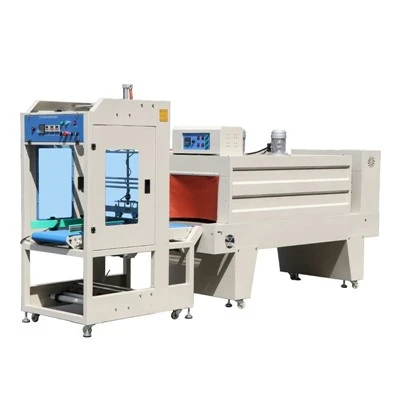
Shrink Packaging Machines If you’re interested in learning more about how our blockchain – enabled smart packaging systems can benefit your business, I invite you to contact me for a purchase discussion. We can explore how these innovative solutions can be tailored to meet your specific needs and requirements.
References
- Swan, M. (2015). Blockchain: Blueprint for a new economy. O’Reilly Media, Inc.
- Saberi, S., Kouhizadeh, M., Sarkis, J., & Shen, L. (2019). Blockchain technology and its relationships to sustainable supply chain management. International Journal of Production Research, 57(7), 2117 – 2135.
- Xu, J., Xu, L. D., & Li, L. (2014). Internet of Things in industries: A survey. IEEE Transactions on Industrial Informatics, 10(4), 2233 – 2243.
Langfang Huanqi Machinery Equipment Co., Ltd.
As one of the most professional smart packaging systems manufacturers and suppliers in China, we also support customized service. Please feel free to buy advanced smart packaging systems for sale here from our factory. Quality products and reasonable price are available.
Address: No. 40, Row 11, North Side of Central Street, Wangpeizhuang Village, Pingshu Town, Dacheng County, Langfang City, Hebei Province
E-mail: huanqijixie@outlook.com
WebSite: https://www.huanqiwrap.com/
