Hey there, DIY enthusiasts and homeowners! I’m a supplier of nail-free glue, and I often get asked this question: "Can nail-free glue be used to fix a loose hinge?" Today, I’m gonna dive deep into this topic and share my insights. Nail-free Glue

First off, let’s talk about what’s causing that hinge to get loose in the first place. There are a few common reasons. Maybe the screws that hold the hinge in place have just gotten a little loose over time due to normal wear and tear. Every time you open and close that door or cabinet, it puts some stress on the hinge, and those screws can start to wiggle. Another possibility is that the wood around the screws has become worn or damaged. If the wood is soft or if it’s been stripped out because the screws were tightened too much or too many times, the hinge won’t have a good grip.
Now, let’s look at nail-free glue. Nail-free glue is pretty amazing stuff. It’s designed to bond a whole bunch of different materials together without the need for nails or screws. You just apply it, press the two surfaces together, and let it dry. And once it dries, it creates a really strong bond.
So, can it fix a loose hinge? Well, it depends. In some cases, it can be a great solution.
If the problem is that the screws are loose but the wood is still in good condition, you can use nail-free glue to secure the screws in place. Here’s how you do it. First, take out the loose screws. Then, apply a small amount of nail-free glue to the screw threads. You don’t want to use too much, just enough to coat them. Now, put the screws back into their holes. As the glue dries, it’ll hold the screws firmly in place, preventing them from coming loose again.
But what if the wood is damaged? If the wood around the screw holes is stripped or too soft, you can use nail-free glue to reinforce it. You can mix some sawdust with the nail-free glue to create a sort of wood filler. Pack this mixture into the damaged screw holes. Let it dry completely. Once it’s dry, you can drill new holes in the filled area and put the screws back in. The nail-free glue and sawdust combination will create a stronger surface for the screws to grip onto.
However, there are some situations where using nail-free glue might not be the best idea. If the hinge is severely damaged, like if it’s bent or broken, just gluing it won’t solve the problem. You’ll probably need to replace the whole hinge. Also, if the door or cabinet is under a lot of stress, like a heavy door that gets opened and closed frequently, nail-free glue might not be strong enough on its own. In those cases, you might need to combine it with other methods, like using new, longer screws or adding some reinforcement brackets.
One of the great things about using nail-free glue for hinge repairs is that it’s really easy. You don’t need a whole bunch of tools. All you need is the glue, maybe a small brush to apply it, and some patience while it dries. It’s also a lot less messy than using nails or screws, which can leave holes and splinters in the wood.
Another advantage is that it’s versatile. Our nail-free glue can bond not only wood but also metal (which the hinge is usually made of), plastic, and a bunch of other materials. So, if you have other small repair jobs around the house, like fixing a loose handle or a small piece of trim, the same glue can come in handy.
Now, I know some of you might be wondering about the strength of the glue. Our nail-free glue is formulated to be really strong. It undergoes a bunch of tests to make sure it can withstand normal use. But of course, like any product, its performance can be affected by factors like temperature, humidity, and the surfaces you’re bonding.
For example, if it’s really cold, the glue might take longer to dry and set properly. And if the surfaces are dirty or greasy, the bond won’t be as strong. So, it’s important to clean the surfaces thoroughly before applying the glue.
Let’s talk a bit about the drying time. Our nail-free glue usually starts to set in about 10 – 15 minutes, but it can take up to 24 hours to fully cure. That means you should try to keep the bonded parts still during this time. If you try to use the door or cabinet before the glue is fully dry, it might not bond as well, and you could end up with the same problem again.
I’ve had a lot of customers who’ve used our nail-free glue to fix loose hinges, and they’ve been really happy with the results. One customer, a DIY newbie, was really nervous about fixing a loose cabinet hinge. He was worried he’d mess it up. But after following our instructions and using the nail-free glue, he was able to fix it easily. He even told me he felt more confident about taking on other repair projects around the house.
So, to sum it up, nail-free glue can definitely be used to fix a loose hinge in many cases. It’s easy to use, versatile, and can create a strong bond. But you need to assess the situation first and make sure it’s the right solution for your problem.
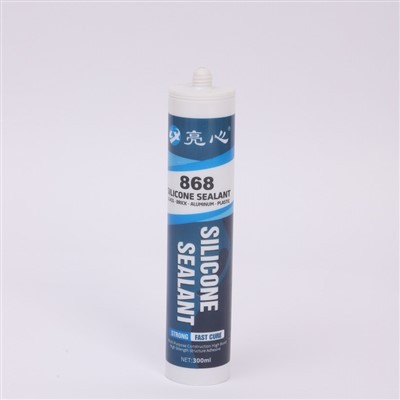
If you’re interested in trying out our nail-free glue for your hinge repairs or any other DIY projects, I’d love to hear from you. Whether you’re a homeowner looking to do a few small fixes or a professional contractor in need of a reliable adhesive, we’ve got the product for you. Just reach out to start a conversation about your needs and how we can help. We’re always here to support you and make sure you get the best results with our nail-free glue.
Nail-free Glue References
- General knowledge from years of experience in the nail – free glue industry.
- Customer feedback and case studies.
Shandong Liangxin Adhesives Co., Ltd.
We are one of the most professional nail-free glue manufacturers in China, featured by quality products and good service. Please rest assured to wholesale high-grade nail-free glue in stock here and get pricelist from our factory. We also accept customized orders.
Address: Industrial Park, Jiudu Sub-district, Hedong District, Linyi City, Shandong Province, China
E-mail: 15253909280@139.com
WebSite: https://www.liangxinglue.com/
