Hey there! As a supplier of double end studs, I often get asked about safety precautions when using these handy little fasteners. Today, I wanna share some insights based on my experience in the industry. Double End Studs
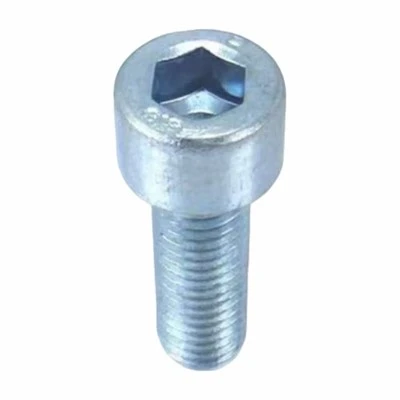
First off, let’s talk about what double end studs are for those of you who might not be familiar. Double end studs are threaded rods with threads on both ends. They’re used in a whole bunch of applications, like machinery, construction, and automotive work. They’re great for connecting parts where you can’t use a regular bolt because it won’t fit, or you need a more secure connection.
Now, onto the safety stuff. One of the most important things to keep in mind is proper installation. You gotta make sure the threads on the double end stud match the threads in the holes where you’re putting them. If the threads don’t match, it can lead to a weak connection, and that’s a recipe for disaster. You don’t want your parts coming loose during operation, especially in high – stress or high – vibration environments.
When installing double end studs, use the right tools. A torque wrench is a must – have. It helps you apply the correct amount of torque, which is crucial for a secure fit. Over – torquing can damage the threads, and the stud itself might break. Under – torquing, on the other hand, means the connection won’t be tight enough, and the parts could come loose. You should follow the manufacturer’s recommended torque values. These values are determined through testing and are designed to ensure the safe and proper use of the double end studs.
Before you install a double end stud, inspect it carefully. Look for any signs of damage, like nicks, cracks, or stripped threads. A damaged stud can fail under stress, and you don’t want that. Also, check the surface where you’re going to install the stud. Make sure it’s clean and free of debris. Any dirt or grime can affect the fit and the overall strength of the connection.
If you’re working with double end studs in a high – temperature environment, be aware that the material properties of the stud can change. Some metals expand when heated, and this can affect the torque and the tightness of the connection. You might need to use studs made from materials that can withstand high temperatures, like stainless steel or heat – treated alloys.
When handling double end studs, wear the appropriate personal protective equipment (PPE). Gloves can protect your hands from sharp edges and cuts, and safety glasses can prevent debris from getting into your eyes if something goes wrong during installation or removal.
Another thing to consider is the lubrication of the threads. Using a suitable lubricant can make the installation process easier and can also help prevent galling, which is when the threads stick together and damage each other. However, you need to use the right lubricant for the specific application. For example, in some food – grade or medical applications, you’ll need a lubricant that meets certain safety standards.
In some cases, double end studs are used in applications where there’s a lot of vibration. Vibration can cause the studs to loosen over time. To prevent this, you can use locking devices like lock nuts or thread – locking compounds. These things can help keep the studs in place and ensure a long – lasting and safe connection.
Now, if you’re planning to use double end studs in a structural application, you need to make sure they’re designed to handle the load. Check the load – bearing capacity of the studs and make sure it’s suitable for your specific application. Using studs that are too weak can result in structural failure, which is extremely dangerous.
It’s also important to keep in mind that double end studs need to be installed and tightened evenly. If you don’t tighten them evenly, it can cause uneven stress distribution, which can lead to premature failure. So, take your time and make sure you follow the correct tightening sequence.
When removing double end studs, be careful. If the stud is stuck, don’t try to force it out. You can use a stud extractor, which is a tool designed to remove stubborn studs without damaging the surrounding material. If you force the stud out, you might break it off inside the hole, and that can be a real pain to deal with.
So, those are some of the main safety precautions when using double end studs. I hope this information is helpful to you. As a double end stud supplier, I’m always here to answer any questions you might have. Whether you’re a DIY enthusiast or a professional in the industry, proper installation and safety are key to getting the most out of your double end studs.

If you’re in the market for high – quality double end studs, I’d love to talk to you. We’ve got a wide range of sizes and materials to suit your needs. Contact me for a free quote and let’s see how we can work together to ensure your projects are safe and successful.
Unequal Length Double End Studs References:
- Machinery’s Handbook, 31st Edition
- American Society of Mechanical Engineers (ASME) standards on fasteners
Handan Jihao Fastener Co., Ltd.
We’re known as one of the most professional double end studs manufacturers and suppliers in China. With abundant experience, we warmly welcome you to wholesale customized double end studs made in China here from our factory. If you have any enquiry about cooperation, please feel free to email us.
Address: A2, Row 31, Feiyu Screw World, Hebei Pu, Linmengguan Town, Yongnian District, Handan City, Hebei Province
E-mail: wenzhaona0@gmail.com
WebSite: https://www.chinaboltnut.com/
