Hey there! As a supplier of low voltage switchgear, I’ve been dealing with these nifty electrical devices day in and day out. So, I thought I’d share some insights on the electrical characteristics of low voltage switchgear with you all. Low Voltage Switchgear
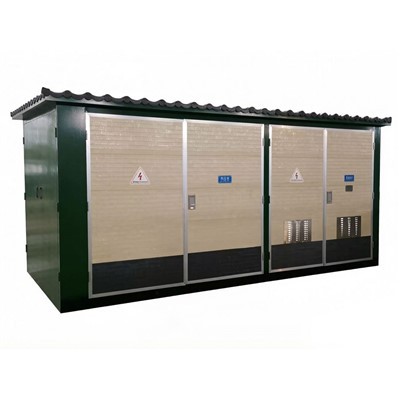
First off, let’s talk about what low voltage switchgear actually is. It’s a set of electrical equipment used to control, protect, and isolate electrical circuits in low voltage systems. Usually, low voltage means anything below 1000 volts AC or 1500 volts DC. These switchgears are found in a wide range of places, from small commercial buildings to large industrial plants.
One of the key electrical characteristics is the rated voltage. The rated voltage of low voltage switchgear is the voltage at which the equipment is designed to operate under normal conditions. It’s super important because if the actual voltage deviates too much from the rated voltage, it can cause all sorts of problems. For example, if the voltage is too high, it might lead to insulation breakdown, which can be a fire hazard. On the other hand, if the voltage is too low, the switchgear might not function properly. Most of the low voltage switchgear we supply is rated for common voltages like 230V, 400V, or 480V, depending on the application.
Another crucial characteristic is the rated current. This is the maximum current that the switchgear can carry continuously without overheating or causing damage. When we’re selecting the right switchgear for a customer, we always take a close look at the expected load current. If the load current exceeds the rated current, the switchgear could overheat, and the conductors inside might start to deteriorate. This can reduce the lifespan of the switchgear and even cause it to fail. We’ve got switchgears with different rated currents, from a few amperes for small loads like lighting circuits to several thousand amperes for large industrial motors.
Short – circuit breaking capacity is also a big deal. In an electrical system, a short – circuit can occur when there’s an unintended connection between two conductors. This causes a huge surge in current, which can be extremely dangerous. The short – circuit breaking capacity of low voltage switchgear is the maximum short – circuit current that the switchgear can safely interrupt without being damaged. It’s measured in kiloamperes (kA). A higher short – circuit breaking capacity means the switchgear can handle more severe short – circuit conditions. For example, in industrial settings where there are large motors and heavy loads, we often recommend switchgears with a high short – circuit breaking capacity to ensure the safety of the electrical system.
Then there’s the insulation resistance. Insulation is used to prevent electrical current from flowing where it shouldn’t. The insulation resistance is a measure of how well the insulation material in the switchgear can resist the flow of current. A high insulation resistance is a good sign, as it means the insulation is working effectively. We regularly test the insulation resistance of the switchgear we supply to make sure it meets the required standards. If the insulation resistance is too low, it could indicate that the insulation is damaged or contaminated, which can lead to electrical leakage and potential safety risks.
The power factor is another aspect to consider. In an AC electrical system, the power factor is a measure of how effectively electrical power is being used. A power factor of 1 means that all the electrical power is being used for useful work, while a lower power factor indicates that some power is being wasted. Low voltage switchgear can have an impact on the power factor of the electrical system. Some switchgears are designed to improve the power factor, which can lead to energy savings and more efficient operation of the electrical system.
The operating time of the switchgear is also an important characteristic. When a fault occurs in the electrical system, the switchgear needs to act quickly to isolate the fault and protect the rest of the system. The operating time includes the time it takes for the switchgear to detect the fault and then open the circuit. Faster operating times are generally preferred, especially in systems where equipment damage can occur quickly during a fault. For critical applications, we can supply switchgears with extremely short operating times to minimize the impact of faults.
Now, let’s talk about continuity and contact resistance. In a switchgear, the contacts are where the electrical current passes through when the circuit is closed. The continuity of these contacts is essential for the proper functioning of the switchgear. The contact resistance is the resistance between the contacts when they are in the closed position. A low contact resistance is desirable because it means less power is dissipated as heat at the contacts. Over time, the contacts can wear out, and the contact resistance can increase. We often recommend regular maintenance to check and clean the contacts to ensure optimal performance.
In addition to these electrical characteristics, there are also some environmental factors that can affect the performance of low voltage switchgear. Temperature, humidity, and altitude can all have an impact. For example, high temperatures can reduce the insulation resistance and increase the operating temperature of the switchgear, which can affect its lifespan. In areas with high humidity, there’s a risk of moisture ingress, which can cause corrosion and short circuits. We’ve got switchgears that are designed to withstand different environmental conditions, and we can recommend the right one based on your specific location and requirements.
Well, that’s a pretty comprehensive look at the electrical characteristics of low voltage switchgear. I hope this blog has given you a better understanding of these important electrical devices. If you’re in the market for low voltage switchgear, whether it’s for a new project or to replace old equipment, don’t hesitate to get in touch with our team. We’re experts in this field, and we can help you select the right switchgear based on your specific needs. Whether you need a small, simple switchgear for a residential application or a large, complex one for an industrial plant, we’ve got you covered. So, drop us a line and let’s start a conversation about how we can meet your low voltage switchgear requirements.
High Voltage Switchgear References:
- Electrical Power Distribution Systems Handbook by Balog, Gönen
- Low Voltage Switchgear Technology Manuals (Manufacturer’s Documents)
Anhui Xinchen Electrical Equipment Co., Ltd.
We are one of the most reliable low voltage switchgear manufacturers and suppliers in China, specialized in providing high quality customized products. We warmly welcome you to buy bulk low voltage switchgear for sale here from our factory. Contact us for quotation.
Address: No. 8, Waihuan South Road, Economic and Technical Development Zone, Ningguo City, Xuancheng City, Anhui Province
E-mail: xinchen0316@126.com
WebSite: https://www.cn-xinchen.com/
