Hey guys, Transmission Parts
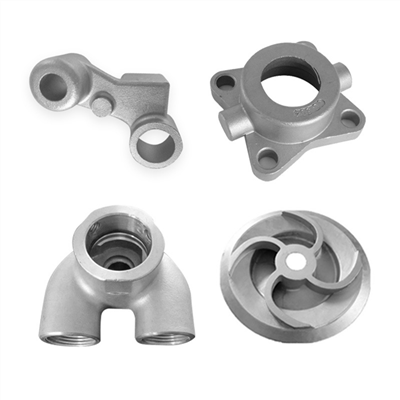
If you’re running a shop that deals in cars, trucks, or heavy machinery, you know transmissions are basically the middlemen that make all your power actually move where it needs to go. And when those parts go down? It’s not just a quick fix—it’s downtime, lost revenue, and a whole lot of headaches. As a transmission parts supplier, I’ve seen every kind of failure come through our doors, from the super avoidable stuff to the weird, one-off issues that no one sees coming. Today, I’m breaking down the most common causes we deal with, so you can spot problems early and keep your rigs on the road (or jobsite, or track—whatever it is you’re running).
First up: let’s talk about fluid-related issues. This is the number one culprit, hands down. I can’t tell you how many times we get a clutch pack or a torque converter in here that’s just… fried, and the first question I ask is “When was the last time you changed the trans fluid?” More often than not, the answer is way too long ago. Transmission fluid isn’t just goop that makes things slippery—it’s the lubricant, the coolant, and the hydraulic juice all rolled into one. If it’s old, it turns into a sludgey, burnt mess that can’t do any of those jobs right. It gets thick, so it can’t flow through the tiny passages in the valve body, leading to shift issues or even complete lockup. And don’t get me started on contaminated fluid. People will accidentally mix in the wrong type of fluid (yes, auto trans vs manual trans is a real thing, and no, they aren’t interchangeable) or get metal shavings, dirt, or even coolant in there from a leaking cooler line. That contamination grinds away at gears, bearings, and seals, turning small wear into a full-on breakdown in months, not years. Pro tip: if your fluid looks dark brown or smells burnt, don’t wait to change it. We stock all types of trans fluid and filters, so hit us up if you need stock.
Next, improper installation and maintenance. A lot of guys think, “I can slap a new transmission part in there myself, it’s just a bolt-on!” Spoiler: no, it’s not. Even a tiny mistake during installation can turn a good part into garbage in no time. For example, over-torquing a bolt on the input shaft might sound like a quick way to make sure it’s tight, but it can warp the shaft or crack the housing—leaks or total failure down the line. Under-torquing is just as bad: a loose pinion bearing will wiggle around, wear out the gear teeth, and cause gear slippage. Then there’s the whole break-in period thing. A lot of people put a new part in and immediately hit the gas hard, thinking “breaking it in” is just running it, not easing into it. Trans parts like clutch plates or syncros need a little time to bed in, so driving hard right away can cause those plates to glaze or syncro rings to wear unevenly. And don’t get me started on skipped maintenance during install—like forgetting to replace a new filter or a seal when you put in a new gear set. A $5 filter is way cheaper than a $500 gear replacement.
Third: normal wear and tear, just… accelerated by bad habits. Let’s be real, every trans part has a lifespan, but some people push theirs way past what they’re designed for. For example, constant heavy towing without upgrading the trans or using the right fluid—tow rigs put way more stress on the torque converter and clutch packs than regular commuter cars. That extra stress makes the parts wear out 2-3 times faster. Then there’s riding the clutch (for manual trans) or resting your hand on the gear shift lever while driving. Wait, that’s not just a bad habit! Resting your hand on the lever puts pressure on the shift fork, which wears out the pivot point over time, leading to sloppy shifts or even broken forks. For automatic trans, frequent hard shifts (like slamming from drive to reverse without coming to a full stop) put a ton of force on the planetary gears. We’ve seen so many planetary gear sets come in with chipped teeth from that exact thing—it’s preventable, but people do it without thinking.
Fourth: overheating. Transmissions run hot, but when they get too hot, everything breaks. Overheating usually ties back to fluid issues (low fluid = less cooling) or a clogged cooler, but sometimes it’s just from excessive use. When the fluid gets too hot, it breaks down faster (that’s the burnt sludge I mentioned earlier), seals harden and crack, and bearings lose their lubrication. We recently got in a torque converter from a guy who’d been hauling a 10,000-lb trailer across the mountains without a trans cooler upgrade—the converter was so hot the internal fins melted, and the fluid was basically tar. That’s a $300 part that could’ve been avoided with a $100 auxiliary cooler. Even daily drivers can overheat if they’re stuck in traffic for hours in the summer—so keeping an eye on trans temp gauges (if you have one) is a huge win. If you don’t have a temp gauge, we can hook you up with one, and we stock replacement coolers for all makes and models.
Oh, and let’s not forget about electrical issues. Modern transmissions are full of sensors and solenoids, right? A lot of failures aren’t even mechanical—they’re electrical. A faulty speed sensor can mess up shift timing, leading to rough shifts that wear out parts faster. A bad shift solenoid might not let the fluid flow correctly, so you get stuck in one gear, putting extra stress on that gear set. Wiring harnesses can get corroded from moisture, or chewed by rodents (super common in shop garages, fyi), so even a small frayed wire can take out a whole trans. I once had a customer bring in a transmission that wouldn’t shift at all—turns out a mouse chewed through the wiring for the TCM, and the rest of the parts were totally fine. So if your trans is acting finicky (shifting hard, slipping, not engaging), don’t immediately assume you need a whole gear set—check the electrical stuff first. We stock sensors and solenoids too, so you might not need to buy anything big.
Wait, is there anything else? Oh, old, forgotten parts. Seals and gaskets don’t just last forever. Even if you don’t touch your trans, over time, rubber seals harden, shrink, or crack from heat and age. A small leak from a seal might not seem like a big deal, but if you lose just a little fluid every time you drive, eventually you’ll get low enough to cause overheating or lockup. And those leaks can let in dirt and moisture, which contaminate the fluid I mentioned earlier. So even if your trans is running fine, it’s a good idea to replace seals when you do any major work, and check for leaks every oil change. We stock a huge range of gaskets and seals, so you can get all the little parts you need without hunting around.
Now, let’s talk about what this means for you, especially if you’re a mechanic, a fleet manager, or a DIYer working on your own truck. The biggest takeaway here is that most transmission failures are preventable. They don’t just “break on their own” 9 times out of 10—they’re caused by small, avoidable mistakes or neglected maintenance. That’s why as a transmission parts supplier, we don’t just sell you parts—we try to give you the info to use them right. If you’re seeing any of these issues (burnt fluid, hard shifts, leaks, weird noises), don’t wait until it’s a total breakdown. That’s when you’re looking at a big bill and downtime.
We stock everything from small seals and sensors to full gear sets and torque converters, for all types of transmissions—manual, automatic, heavy-duty, even off-road stuff. If you’re not sure what part you need, just send over your make, model, and year, and what issue you’re having, and our team can help you pick the right part, no guesswork. No more buying the wrong part and wasting money—we’ve got your back.
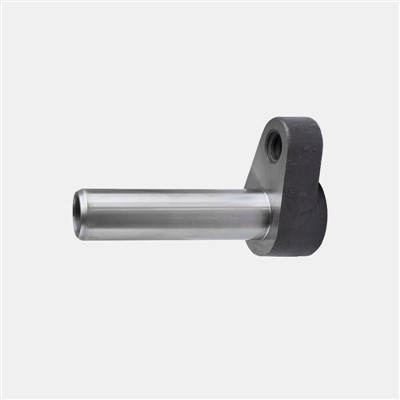
If you’re dealing with a transmission issue, or you just need to stock up on parts for your shop or fleet, hit us up to chat about what you need. We’re here to help you get the right part at a fair price, and keep your equipment running smooth.
Parts Processing References
- Automotive Transmission Technology, SAE International, 2021
- “Common Transmission Failure Causes and Prevention”, Automotive Maintenance Magazine, Vol. 47, No. 2, 2022
- Heavy-Duty Transmission Reliability Report, American Trucking Associations, 2023
- Fluid Condition Effects on Transmissions, Society of Automotive Engineers Journal, 2020
- “Electrical System Faults in Modern Transmissions”, Automotive Engineering International, Vol. 130, No. 5, 2022
Taizhou Liuhuan Machinery Co., Ltd.
As one of the most professional transmission parts manufacturers and suppliers in China, we’re featured by quality products and good service. Please rest assured to buy customized transmission parts made in China here from our factory. For quotation, contact us now.
Address: Xinyuan Industrial Zone, Damaiyu Street, Yuhuan City, Zhejiang Province,China
E-mail: tzlhmachining@gmail.com
WebSite: https://www.tzlhmachining.com/
