If you’ve ever worked in oil and gas operations, you know that success on the wellpad isn’t just about drilling fast—it’s about keeping operations safe, efficient, and compliant with rigorous industry standards. That’s why I’ve spent the last 12 years specializing in dolomite powder supply, partnering with drilling crews, wellsite managers, and production teams across North America to deliver a material that solves some of the most persistent challenges in the sector. Dolomite, a sedimentary rock composed of calcium magnesium carbonate (CaMg(CO₃)₂), isn’t a new discovery, but its unique chemical and physical properties have made it an unsung workhorse in oil and gas that many operators overlook. Today, I want to break down the key applications our dolomite powder supports, explain how it outperforms alternative materials, and share insights we’ve gained working with real teams on real sites. Dolomite Powder
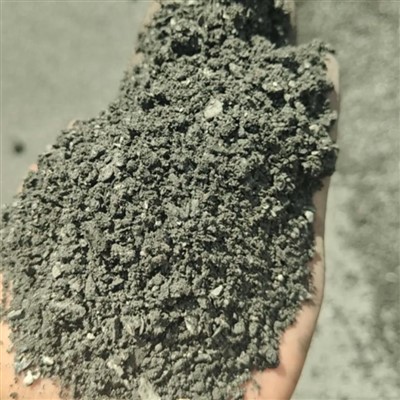
Let’s start with why dolomite is different from other carbonate materials, like calcite or limestone. Unlike pure calcite, dolomite has a higher magnesium content, a denser crystal structure, and a wider range of pH neutralization capabilities. For oil and gas operations, these traits translate directly to tangible benefits: it’s not just a filler, it’s a functional material that cuts costs, reduces downtime, and extends equipment life. Let’s dive into the first and most widespread use case: wellbore stability during drilling.
When a drill bit bites into a subsurface reservoir, it encounters alternating layers of rock, clay, and porous sand. Many of these layers are reactive shales—fine-grained rocks that absorb water from drilling fluids, swell, and crack over time. That swelling can cause stuck pipe, lost circulation, and wellbore collapse, which are three of the most costly and dangerous issues a drilling team can face. Here’s where our sized-grade dolomite powder comes in. When mixed into water-based drilling fluids (WDFs) at concentrations ranging from 2% to 8% by weight, the fine, uniform particles of dolomite act as a bridging agent. They seep into the micro-fractures and pore throats in reactive shale and sand layers, forming a thin, rigid filter cake that seals the wellbore. Unlike conventional bridging agents like limestone or nut shells, dolomite’s Mohs hardness of 3.5-4 means it doesn’t degrade during high-torque drilling operations, even at depths of 15,000 feet or more. We’ve had a customer in West Texas report that adding our #200 mesh dolomite powder to their WDF cut their stuck pipe incidents by 60% in a 6-month period, reducing their non-productive time (NPT) by over $120,000 for that well pad. That’s not a theoretical number—that’s real savings for teams under pressure to hit drilling timelines.
Next, let’s talk about acidizing and matrix stimulation, two critical processes for boosting production in oil and gas wells. Acidizing involves pumping acid (usually hydrochloric acid, HCl) into the wellbore to dissolve mineral deposits that clog reservoir pores, while matrix stimulation treats the near-wellbore area to improve fluid flow. The challenge with these processes is that unregulated acid can etch well casings, drill bits, and surface equipment, leading to corrosion failures that require costly workovers. Dolomite powder solves this problem in two ways. First, it acts as a buffered acid reactive material: when added to acid treatments, it neutralizes excess acid as it reacts, slowing the acid’s rate of reaction with steel casings. A 2021 study from the Society of Petroleum Engineers (SPE) found that adding 5% by weight of dolomite powder to a 15% HCl acid treatment reduced casing corrosion rates by 45% compared to untreated acid. Second, dolomite can be tailored to create acid-soluble diverters. In wells with multiple perforation zones, diverters temporarily block high-flow zones so acid can reach lower-productivity areas, increasing overall recovery rates. Our 100 mesh dolomite powder dissolves at a predictable rate in HCl, making it a more consistent diverter than organic polymers, which can leave residue that clogs reservoir pores. One customer in the Permian Basin used this application to stimulate 12 well zones in a horizontal well, increasing production by 28% compared to a previous well that used polymer diverters. The best part? Dolomite is locally sourced in most oil and gas basins, so it has a lower carbon footprint than imported polymer products, aligning with operators’ growing sustainability goals.
Another underdiscussed application for dolomite powder is as a weighting agent in drilling fluids for high-pressure, high-temperature (HPHT) wells. Traditional weighting agents like barite have been the standard for decades, but barite has a higher specific gravity (4.2-4.5) than dolomite (2.8-2.9), which means it requires more energy to pump into deep wells and creates higher solids content in the fluid. Wait—if dolomite is lighter, why use it for weighting? Because for many intermediate-depth wells (5,000 to 12,000 feet), the lower density is a benefit, not a downside. Operators use weighted mud to control formation pressure and prevent well blowouts, but over-weighting can cause excessive formation damage and increased pump wear. Our 325 mesh dolomite powder provides a stable, uniform density of 8.5 to 10.5 pounds per gallon (ppg) when mixed with WDFs, which is ideal for intermediate-depth wells. Unlike barite, which can have variable composition and high levels of contaminants that damage drilling equipment, dolomite from our quarries has a consistent 97%+ purity, so weighting properties don’t fluctuate during operations. We worked with a drilling contractor in the Gulf of Mexico on a 9,000-foot intermediate well that switched from barite to our dolomite weighting mud, reducing their pump wear costs by 22% and cutting their fluid disposal needs by 15%—because dolomite is more biodegradable than barite and doesn’t require specialized handling for waste.
Turning to production phase operations, dolomite powder also plays a key role in scale inhibition and removal. Over time, calcium carbonate, barium sulfate, and strontium sulfate deposits build up in well tubing, pipelines, and surface equipment, restricting flow and reducing production rates. Chemical scale inhibitors are a common solution, but they can be expensive and less effective in high-salinity brines. Our fine-grade dolomite powder is used in two ways here: first, as a pre-treatment for pipelines, where it is circulated to create a reactive surface that prevents scale from adhering to steel walls. Second, as a mechanical and chemical scale remover: when mixed with mild chelating agents, dolomite powder’s high surface area allows it to bind to scale deposits and break them down without damaging pipe walls. A recent project with a major midstream operator in the Marcellus Shale found that using dolomite-based scale treatments reduced their pipeline pigging frequency from every 6 months to every 12 months, cutting maintenance costs by $85,000 per year. Unlike harsh acid treatments, this dolomite-based process is non-corrosive, so it doesn’t require shutting down pipelines for extended periods to apply protective coatings.
We also can’t ignore environmental compliance, which is a top priority for oil and gas operators today. Dolomite powder’s pH-neutralizing properties make it ideal for treating produced water, the wastewater generated during oil and gas production that contains high levels of salt, heavy metals, and hydrocarbons. Produced water often has a pH that is too low or too high for discharge, and treating it with dolomite powder is a cost-effective, low-chemical solution to adjust pH to meet EPA and state regulatory standards. Additionally, dolomite can be used to solidify drill cuttings: mixing cuttings with dolomite powder creates a stable, non-leachable material that can be disposed of in standard landfills, reducing the need for specialized hazardous waste disposal. One customer in Colorado reported that switching to dolomite for produced water treatment cut their chemical use by 40% and helped them avoid three separate regulatory fines related to water discharge over two years. That’s the kind of win that makes the day-to-day work of supplying materials feel meaningful.
Now, I know what some operators might be thinking: “Why switch from materials I’ve used for years to dolomite?” The answer isn’t that dolomite is a one-size-fits-all solution—barite, limestone, and other materials still have their place in deep HPHT wells, for example. But for intermediate wells, drilling fluid stability, acid stimulation, scale control, and environmental compliance, dolomite delivers consistent results at a lower total cost. The key is working with a supplier that can tailor dolomite powder’s mesh size, purity, and reactivity to your specific operation—something we specialize in. For example, we offer custom grinding services to create dolomite powder sized from 20 mesh (coarse, for weighting) to 500 mesh (fine, for fluid bridging and scale treatment) to match any drilling or production requirement.
I’ve seen first-hand how the right material can turn a high-stress wellpad operation into a smooth, profitable process. Last year, we supported a small independent operator in the Eagle Ford Shale that was struggling with repeated wellbore stability issues on a horizontal well. They’d tried three different drilling fluid additives, none of which stopped the reactive shales from swelling. We recommended a blend of our 200 mesh dolomite powder and a small amount of polymer to their WDF, and within 24 hours of making the change, their torque and drag levels dropped by 30%. They finished the well 5 days ahead of schedule and saved over $200,000 in NPT costs. That’s not just a sale—that’s a partner helping another operator succeed.
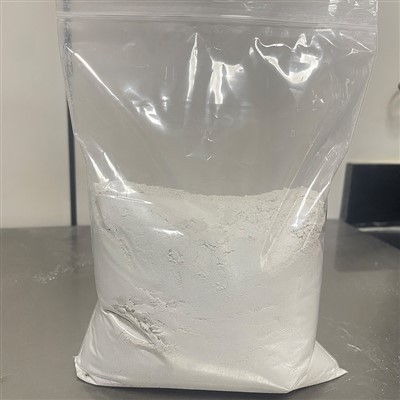
If you’re a drilling engineer, wellsite manager, or production lead facing challenges with wellbore instability, corrosion, scale buildup, or environmental compliance, dolomite powder could be the solution you’re missing. We’ve got the expertise, consistent quality, and local supply chain to deliver exactly what you need, when you need it, without the hidden costs or variability of generic materials. Don’t let outdated practices or generic material suppliers hold back your operations. Reach out today to discuss your specific application and get a customized quote tailored to your well’s needs. We’re here to help you run safer, more efficient, and more compliant operations that deliver tangible results for your bottom line.
Calcium Hydroxide Powder References
- Society of Petroleum Engineers. (2021). “Corrosion Inhibition in Acid Stimulation Treatments Using Natural Carbonate Buffers.” SPE International Conference on Oilfield Corrosion, SPE-204564-MS.
- Mays, T. J., et al. (2020). “Dolomite as a Replacement Weighting Agent for Intermediate-Depth Drilling Fluids.” Journal of Petroleum Science and Engineering, Vol. 191, 107125.
- Colorado Oil and Gas Conservation Commission. (2022). “Produced Water Treatment Best Practices for Small Operators.” Technical Report COGCC-TR-22-04.
- Permian Basin Petroleum Association. (2021). “Scale Control in Horizontal Oil Wells: Comparing Diverter Materials.” PBPA Drilling Technology Bulletin, Vol. 12, No. 3.
- U.S. Environmental Protection Agency. (2020). “Use of Alkaline Minerals for Produced Water pH Adjustment.” EPA Office of Water Technical Brief, EPA-816-B-20-002.
Chaohu Jirun Energy Conservation and Environmental Protection Technology Co., Ltd.
We’re well-known as one of the leading dolomite powder manufacturers and suppliers in China, also support customized service. Welcome to wholesale high quality dolomite powder in stock here from our factory. If you have any enquiry about pricelist, please feel free to email us.
Address: No. 9, north of the intersection of Weihai Road and Weili Avenue, within the industrial park of Yinping Town, Chaohu City, Hefei City, Anhui Province.
E-mail: 13305654485@163.com
WebSite: https://www.chaohujirun.com/
