As a long – standing supplier of plastic soap dispensers, I’ve seen firsthand the importance of proper storage for these products. Not only does it influence the lifespan of the soap dispenser, but it also impacts its functionality and aesthetic appeal when it reaches the end – user. In this blog, I’ll share the best ways to store a plastic soap dispenser, which will not only benefit the distributors and retailers but also serve as valuable advice for individual consumers. Plastic Soap Dispenser
Understanding the Material of Plastic Soap Dispensers
Before delving into storage methods, it’s essential to understand the material of plastic soap dispensers. Most plastic soap dispensers are made from polypropylene (PP), polyethylene terephthalate (PET), or acrylonitrile butadiene styrene (ABS). These plastics are chosen for their durability, affordability, and ease of molding into various shapes. However, they also have unique properties that need to be considered during storage.
PP is a semi – crystalline thermoplastic known for its good chemical resistance and flexibility. It can withstand a wide range of temperatures but may become brittle in extremely cold conditions. PET is a strong, lightweight plastic with good barrier properties against moisture and gases. It can be affected by UV light, which may cause it to yellow over time. ABS is a tough and rigid plastic that offers excellent impact resistance. It is also sensitive to high temperatures and may deform if exposed to excessive heat.
Ideal Storage Conditions
Temperature
Maintaining a stable temperature is crucial for storing plastic soap dispensers. Extreme temperatures can cause the plastic to expand or contract, leading to cracks, warping, or a loss of structural integrity. The ideal temperature range for storing plastic soap dispensers is between 10°C and 30°C (50°F and 86°F).
In cold storage environments, below 10°C, plastics like PP can become more brittle. If the dispensers are moved or handled roughly in this state, they are more likely to crack. On the other hand, high temperatures above 30°C can cause softening and deformation, especially for plastics like ABS. For instance, if a plastic soap dispenser is stored in a warehouse near a heat source, such as a boiler or direct sunlight, it may start to lose its shape.
Humidity
Humidity can also have a significant impact on plastic soap dispensers. High humidity levels can lead to mold growth, especially if there are any moisture – retaining areas on the dispensers. Additionally, excessive moisture can cause the plastic to absorb water, which may affect its physical properties. The recommended relative humidity for storing plastic soap dispensers is between 30% and 60%.
To control humidity, it’s advisable to store the dispensers in a well – ventilated area. If the storage facility is in a region with high humidity, dehumidifiers can be used. On the contrary, in very dry conditions, the plastic may become more static – prone, which can attract dust. Using a humidifier to maintain the appropriate humidity level can prevent this issue.
Light Exposure
Exposure to light, especially UV light, can have a detrimental effect on plastic soap dispensers. UV rays can break down the chemical bonds in the plastic, causing it to yellow, become brittle, and lose its strength over time. To prevent this, the dispensers should be stored in a dark or low – light environment.
If it’s not possible to store them in complete darkness, opaque storage containers or covers can be used to shield the dispensers from direct sunlight and artificial UV – rich light sources. For example, storing the dispensers in a closed cabinet or wrapping them in a light – blocking material can significantly extend their lifespan.
Storage Methods
Stacking and Packaging
When storing plastic soap dispensers, proper stacking and packaging are essential to prevent damage. The dispensers should be stacked in a stable and organized manner to avoid toppling over. If they are stored in boxes, the boxes should be labeled clearly to indicate the contents and any handling instructions.
It’s also important to use appropriate cushioning materials inside the boxes to protect the dispensers from impact. Bubble wrap, foam inserts, or shredded paper can be used to fill the empty spaces and provide a buffer against shocks. When stacking the boxes, make sure not to overload the bottom layers, as this can cause the dispensers at the bottom to deform.
Shelving and Racking
Using shelving or racking systems is an efficient way to store plastic soap dispensers. Shelves should be sturdy and evenly spaced to accommodate the different sizes of dispensers. They should also be cleaned regularly to prevent the accumulation of dust and debris.
When placing the dispensers on the shelves, ensure that they are arranged in an orderly fashion. This not only makes it easier to access the products but also reduces the risk of damage during handling. For large – scale storage facilities, pallet racking systems can be used to optimize space utilization and improve the overall organization of the inventory.
Handling During Storage
Cleaning Before Storage
Before storing the plastic soap dispensers, they should be thoroughly cleaned. Residual soap or other contaminants can attract dirt, cause discoloration, and even lead to the growth of bacteria over time. Use a mild detergent and warm water to clean the dispensers, and then dry them completely. This step can help maintain the quality of the dispensers during storage.
Inspection
Regular inspections should be carried out during storage to check for any signs of damage, such as cracks, leaks, or discoloration. Early detection of problems can allow for timely repairs or replacements, avoiding the shipment of defective products to customers.
Benefits of Proper Storage for Different Stakeholders
For Suppliers
Proper storage ensures that the plastic soap dispensers remain in good condition until they are shipped to customers. This reduces the risk of returns due to damage, improving customer satisfaction and the company’s reputation. It also helps in maintaining inventory accuracy and optimizing storage space, which can lead to cost savings.
For Retailers
Retailers benefit from receiving high – quality products that are ready for sale. Properly stored plastic soap dispensers have a longer shelf – life and a better appearance, which can attract more customers and increase sales. Additionally, retailers can store the products more effectively in their own stores, reducing the likelihood of product damage on the shelves.
For Consumers
Consumers receive a product that is in optimal condition, with no signs of damage or degradation. This enhances their overall experience with the product, leading to higher satisfaction and potentially repeat purchases.
Conclusion

In conclusion, the best way to store a plastic soap dispenser involves maintaining ideal temperature and humidity conditions, protecting it from light exposure, using proper stacking and packaging methods, and carrying out regular inspections. By following these guidelines, suppliers, retailers, and consumers can all enjoy the benefits of high – quality plastic soap dispensers.
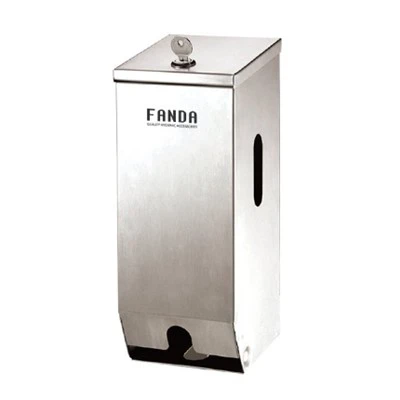
Powder Coating Toilet Paper Dispenser As a supplier of plastic soap dispensers, I understand the importance of providing not only high – quality products but also valuable advice on their care and storage. If you are interested in purchasing plastic soap dispensers or have any questions regarding storage or other aspects, please feel free to contact me for further discussions. I’m committed to collaborating with you to meet your specific needs and ensure the success of your business.
References
- "Handbook of Plastic Packaging Technology" by Rosato and Rosato
- "Plastics: Materials and Processing" by James F. Carley
Fanda Hygiene Co., Ltd.
As one of the most professional plastic soap dispenser manufacturers and suppliers, we also support customized service. With a professional production team, we are able to meet the needs of the majority of our customers. Welcome to wholesale bulk plastic soap dispenser in stock here and get quotation from our factory.
Address: No.18-25, Changsheng Ln., Sec. 1, Huanzhong Rd., Beitun Dist., Taichung, Taiwan
E-mail: Sales03@fanda.com.tw
WebSite: https://www.fanda-hygiene.com/
