As a seasoned provider in the car elevator industry, I often encounter inquiries from clients regarding the height clearance required for a car elevator. This is a critical aspect that can significantly impact the feasibility and functionality of installing a car elevator in a particular space. In this blog, I’ll delve into the factors influencing the height clearance requirements and provide some general guidelines. Car Elevator
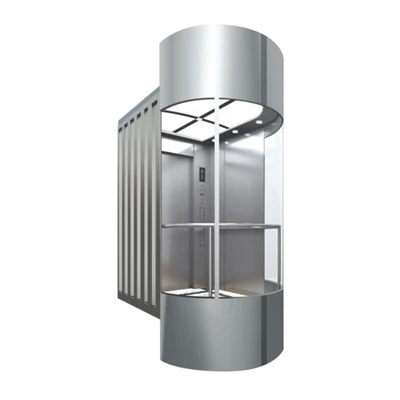
Understanding the Basics of Car Elevator Height Clearance
Height clearance for a car elevator refers to the vertical space needed from the floor level to the lowest point of the overhead structure, such as the ceiling or the bottom of a mezzanine. This space must be sufficient to accommodate the elevator car, the counterweight, the hoisting equipment, and any necessary safety clearances.
The height clearance is crucial for several reasons. Firstly, it ensures the safe and smooth operation of the elevator. If the clearance is too low, the elevator components may collide with the overhead structure, leading to damage, malfunctions, or even safety hazards. Secondly, it affects the type and size of cars that can be accommodated in the elevator. Larger cars or those with special features may require more vertical space.
Factors Affecting Height Clearance Requirements
Several factors play a role in determining the height clearance required for a car elevator. Let’s take a closer look at each of these.
1. Elevator Type
There are different types of car elevators, including hydraulic elevators, traction elevators, and screw-driven elevators. Each type has its own specific height clearance requirements.
- Hydraulic Elevators: These elevators use a hydraulic piston to lift the car. They typically require a significant amount of overhead space for the hydraulic cylinder and the associated equipment. The height clearance for hydraulic car elevators can range from 10 to 15 feet (3 to 4.5 meters), depending on the size and capacity of the elevator.
- Traction Elevators: Traction elevators use ropes or belts and a counterweight system to move the car. They generally require less overhead space compared to hydraulic elevators. The height clearance for traction car elevators usually ranges from 8 to 12 feet (2.4 to 3.6 meters).
- Screw – Driven Elevators: Screw-driven elevators are a relatively new type of elevator that uses a large screw to lift the car. They are known for their compact design and can be installed in spaces with limited height clearance. The height clearance for screw – driven car elevators can be as low as 7 to 9 feet (2.1 to 2.7 meters).
2. Car Size and Capacity
The size and weight capacity of the elevator car also influence the height clearance requirements. Larger cars with higher weight capacities typically need more vertical space.
- Small Cars: For small cars, such as compact cars or two – seater sports cars, the elevator car can be relatively small. The height clearance required for an elevator designed to accommodate small cars may be on the lower end of the range, depending on the elevator type.
- Large Cars: Full – size SUVs, luxury sedans, or commercial vehicles are larger and heavier. Elevators for these types of cars need to be more robust, and they usually require more overhead space to ensure proper operation.
3. Safety Clearances
Safety clearances are an essential consideration in elevator design. These clearances are provided to prevent collisions between the elevator components and the surrounding structure and to allow for maintenance and inspection.
- Overhead Clearance: There must be a certain amount of space above the elevator car to prevent it from hitting the ceiling or other overhead objects. This overhead clearance typically ranges from 1 to 2 feet (0.3 to 0.6 meters), depending on the elevator type and local safety regulations.
- Side Clearances: Adequate side clearances are also required to ensure that the elevator car can move freely without rubbing against the walls of the elevator shaft. Side clearances usually range from a few inches to a foot (a few centimeters to 0.3 meters).
4. Local Building Codes and Regulations
Local building codes and regulations play a significant role in determining the height clearance requirements for car elevators. These codes are in place to ensure the safety of the building occupants and the proper functioning of the elevator.
- Minimum Requirements: Building codes often specify the minimum height clearance for different types of elevators. These requirements may vary depending on the location, the type of building, and the intended use of the elevator.
- Inspections and Approvals: Elevators must comply with local building codes to obtain the necessary inspections and approvals. Failure to meet these requirements can result in delays, fines, or even the rejection of the elevator installation.
General Guidelines for Height Clearance
While the specific height clearance requirements can vary widely depending on the factors mentioned above, here are some general guidelines:
- Residential Applications: For residential car elevators, a height clearance of 8 to 12 feet (2.4 to 3.6 meters) is often sufficient. This can accommodate most standard – sized cars and is suitable for hydraulic, traction, or screw – driven elevators.
- Commercial Applications: In commercial settings, such as parking garages or car dealerships, where larger vehicles may need to be accommodated, a height clearance of 10 to 15 feet (3 to 4.5 meters) may be required. This allows for the installation of larger elevators and provides the necessary safety clearances.
It’s important to note that these are just general guidelines, and a detailed site survey and engineering analysis are necessary to determine the exact height clearance requirements for a specific car elevator installation.
Importance of Professional Consultation
Given the complexity of determining the height clearance requirements for a car elevator, it’s crucial to consult with a professional elevator provider. As a car elevator supplier, I have the expertise and experience to assess your specific needs and provide accurate recommendations.
We start by conducting a thorough site survey to measure the available space, including the height, width, and depth of the area where the elevator will be installed. We also take into account the type of cars you plan to use in the elevator, the expected traffic volume, and any local building code requirements.
Based on this information, we can design an elevator system that meets your requirements while ensuring the highest level of safety and functionality. Our team of engineers and technicians will work closely with you throughout the installation process to ensure that everything is installed correctly and in compliance with all relevant regulations.
Conclusion

The height clearance required for a car elevator is a critical factor that depends on multiple variables, including the elevator type, car size and capacity, safety clearances, and local building codes. By understanding these factors and working with a professional elevator supplier, you can ensure that your car elevator installation is successful and meets all your needs.
Passenger Elevator If you’re considering installing a car elevator and need more information about the height clearance requirements or any other aspects of elevator design and installation, I encourage you to reach out to us. Our team is ready to assist you in making the right decisions for your project. Whether you have a residential property or a commercial facility, we have the solutions to provide you with a reliable and efficient car elevator system.
References
- "Elevator Design and Installation Handbook"
- Local Building Code Regulations for Elevators
- Industry Standards for Car Elevators
Fuji Express Elevator Co., Ltd.
As one of the most professional car elevator manufacturers and suppliers in China, we’re featured by quality products and good service. Please rest assured to buy custom made car elevator at competitive price from our factory. Contact us for more details.
Address: No. 7 Nanxiehe, Fuqiang Village, Dongqian Subdistrict, Nanxun District, Huzhou City, Zhejiang Province
E-mail: vivi@fujilift-tech.com
WebSite: https://www.fujilift-tech.com/
