Maintaining the hydraulic system of a pipe bending machine is crucial for ensuring its optimal performance, longevity, and safety. As a supplier of pipe bending machines, I understand the significance of proper hydraulic system maintenance. In this blog, I will share some essential tips and best practices on how to maintain the hydraulic system of a pipe bending machine. Pipe Bending Machine

Understanding the Hydraulic System in a Pipe Bending Machine
Before delving into maintenance procedures, it’s important to have a basic understanding of the hydraulic system in a pipe bending machine. The hydraulic system is responsible for providing the power and force required to bend pipes accurately. It consists of several key components, including a hydraulic pump, hydraulic cylinders, valves, hoses, and hydraulic fluid.
The hydraulic pump is the heart of the system, which converts mechanical energy into hydraulic energy by pressurizing the hydraulic fluid. The hydraulic cylinders use the pressurized fluid to generate linear motion, which is then used to bend the pipes. Valves control the flow and direction of the hydraulic fluid, while hoses connect the various components of the system.
Regular Inspections
Regular inspections are the foundation of effective hydraulic system maintenance. By conducting routine checks, you can identify potential issues early on and take corrective action before they escalate into major problems. Here are some key areas to inspect:
Hydraulic Fluid
The hydraulic fluid is the lifeblood of the hydraulic system. It lubricates the moving parts, transfers power, and helps to dissipate heat. Over time, the hydraulic fluid can become contaminated with dirt, debris, and moisture, which can cause damage to the system. Therefore, it’s important to check the fluid level and quality regularly.
- Fluid Level: Check the fluid level in the reservoir at least once a week. The fluid level should be between the minimum and maximum marks on the sight glass. If the fluid level is low, add the appropriate type of hydraulic fluid to bring it up to the correct level.
- Fluid Quality: Inspect the hydraulic fluid for signs of contamination, such as discoloration, cloudiness, or the presence of particles. If the fluid appears dirty or contaminated, it should be changed immediately. You can also use a hydraulic fluid analysis kit to test the fluid for specific contaminants and determine its overall condition.
Hoses and Fittings
Hoses and fittings are critical components of the hydraulic system. They carry the pressurized hydraulic fluid from the pump to the cylinders and other components. Over time, hoses can develop cracks, leaks, or wear, which can lead to fluid loss and system failure. Therefore, it’s important to inspect the hoses and fittings regularly for signs of damage.
- Visual Inspection: Check the hoses for any signs of cracks, abrasions, bulges, or leaks. Pay special attention to the areas where the hoses are connected to the fittings and other components. If you notice any damage, replace the hose immediately.
- Fitting Tightness: Check the fittings for tightness. Loose fittings can cause fluid leaks, which can lead to a loss of pressure and system performance. Use a wrench to tighten any loose fittings, but be careful not to over-tighten them, as this can damage the fittings or the hoses.
Valves
Valves control the flow and direction of the hydraulic fluid in the system. They are essential for ensuring the proper operation of the pipe bending machine. Over time, valves can become clogged, worn, or damaged, which can affect their performance. Therefore, it’s important to inspect the valves regularly for signs of problems.
- Functionality: Check the valves for proper functionality. Open and close the valves manually to ensure that they are operating smoothly. If a valve is not functioning properly, it may need to be repaired or replaced.
- Leakage: Check the valves for any signs of leakage. Leaking valves can cause a loss of pressure and system performance. If you notice any leakage, tighten the valve or replace the seals as necessary.
Hydraulic Pump
The hydraulic pump is the most important component of the hydraulic system. It is responsible for pressurizing the hydraulic fluid and providing the power required to operate the pipe bending machine. Over time, the pump can wear out or develop problems, which can affect its performance. Therefore, it’s important to inspect the pump regularly for signs of issues.
- Noise and Vibration: Listen for any unusual noise or vibration coming from the pump. Excessive noise or vibration can indicate a problem with the pump, such as worn bearings, a damaged impeller, or a clogged filter. If you notice any unusual noise or vibration, stop the machine immediately and have the pump inspected by a qualified technician.
- Pressure: Check the pump pressure regularly using a pressure gauge. The pump pressure should be within the manufacturer’s specifications. If the pressure is too low or too high, it may indicate a problem with the pump or the system. Have the pump and the system inspected by a qualified technician to determine the cause of the problem.
Fluid Maintenance
Proper fluid maintenance is essential for the long-term performance and reliability of the hydraulic system. Here are some key tips for maintaining the hydraulic fluid:
Fluid Change
Regular fluid changes are necessary to remove contaminants and prevent the buildup of sludge and debris in the system. The frequency of fluid changes depends on several factors, such as the type of hydraulic fluid, the operating conditions, and the manufacturer’s recommendations. In general, it’s recommended to change the hydraulic fluid every 1,000 to 2,000 hours of operation or once a year, whichever comes first.
Filter Replacement
Filters are used to remove contaminants from the hydraulic fluid. They play a crucial role in maintaining the cleanliness of the system. Over time, filters can become clogged with dirt, debris, and other contaminants, which can reduce their effectiveness. Therefore, it’s important to replace the filters regularly according to the manufacturer’s recommendations.
Fluid Additives
In some cases, fluid additives may be used to improve the performance and longevity of the hydraulic fluid. Fluid additives can help to reduce wear, prevent corrosion, and improve the viscosity of the fluid. However, it’s important to use the correct type and amount of fluid additives, as using the wrong additives can cause damage to the system.
Cleaning and Lubrication
Regular cleaning and lubrication are important for maintaining the hydraulic system in good working condition. Here are some key tips for cleaning and lubricating the hydraulic system:
Cleaning
- External Cleaning: Clean the external surfaces of the hydraulic system regularly to remove dirt, debris, and other contaminants. Use a mild detergent and a soft cloth to clean the surfaces. Avoid using abrasive cleaners or solvents, as they can damage the paint and other components of the system.
- Internal Cleaning: Periodically flush the hydraulic system to remove any contaminants that may have accumulated inside the system. Follow the manufacturer’s recommendations for flushing the system. Use a high-quality flushing fluid and a proper flushing procedure to ensure that the system is thoroughly cleaned.
Lubrication
- Moving Parts: Lubricate the moving parts of the hydraulic system regularly to reduce friction and wear. Use the appropriate type of lubricant recommended by the manufacturer. Apply the lubricant to the moving parts according to the manufacturer’s instructions.
- Seals: Lubricate the seals of the hydraulic system to prevent them from drying out and cracking. Use a high-quality seal lubricant recommended by the manufacturer. Apply the lubricant to the seals according to the manufacturer’s instructions.
Training and Safety
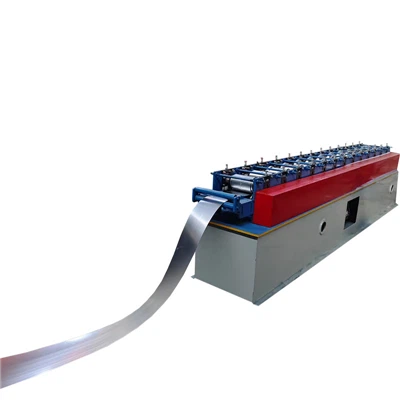
Proper training and safety procedures are essential for maintaining the hydraulic system of a pipe bending machine. Here are some key tips for training and safety:
Training
- Operator Training: Provide comprehensive training to the operators of the pipe bending machine on the proper operation and maintenance of the hydraulic system. The training should include topics such as hydraulic system components, fluid maintenance, inspection procedures, and safety precautions.
- Maintenance Training: Provide training to the maintenance personnel on the proper maintenance and repair of the hydraulic system. The training should include topics such as hydraulic system troubleshooting, component replacement, and system flushing.
Safety
- Safety Procedures: Establish and enforce strict safety procedures for operating and maintaining the pipe bending machine. The safety procedures should include topics such as wearing appropriate personal protective equipment, following lockout/tagout procedures, and avoiding contact with hot surfaces and moving parts.
- Emergency Response: Develop an emergency response plan for dealing with hydraulic system failures or other emergencies. The emergency response plan should include procedures for shutting down the machine, isolating the hydraulic system, and contacting the appropriate personnel for assistance.
Conclusion
Molding Main Unit Maintaining the hydraulic system of a pipe bending machine is essential for ensuring its optimal performance, longevity, and safety. By following the tips and best practices outlined in this blog, you can keep your hydraulic system in good working condition and avoid costly repairs and downtime. If you have any questions or need further assistance with maintaining the hydraulic system of your pipe bending machine, please contact us. We are a leading supplier of pipe bending machines and can provide you with the expertise and support you need to keep your machine running smoothly.
References
- Hydraulic System Maintenance Manuals from Pipe Bending Machine Manufacturers
- Industry Standards and Guidelines for Hydraulic System Maintenance
- Technical Papers on Hydraulic System Technology and Maintenance
Wuxi Yuanding Machinery Manufacturing Co., Ltd.
We’re well-known as one of the leading pipe bending machine manufacturers and suppliers in China, also support customized service. Please feel free to buy advanced pipe bending machine made in China here from our factory. For pricelist, contact us now.
Address: Yaguang Industrial Park, No. 88 Chaoyang South Road, Xishan District, Wuxi City, Jiangsu Province
E-mail: 13861798466@163.com
WebSite: https://www.wxyuanding.com/
