As a supplier of steel fire pits, I’ve had numerous customers inquire about the insulation effect of our products. It’s a crucial aspect to understand, as the insulation of a steel fire pit can significantly impact its performance, safety, and overall user experience. In this blog, I’ll delve into the science behind the insulation effect of a steel fire pit, how it affects various aspects of the product, and why it matters to you as a consumer. Steel Fire Pit
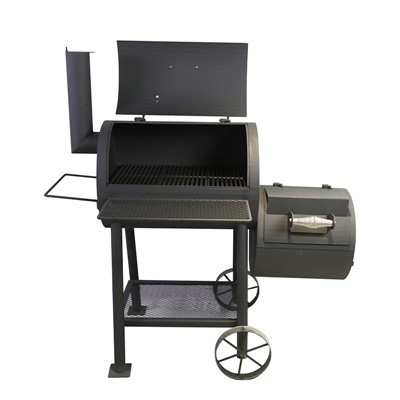
Understanding the Basics of Insulation in Steel Fire Pits
Insulation in a steel fire pit refers to the material or design features that reduce the transfer of heat from the fire inside the pit to the outer surface of the pit and the surrounding environment. The primary purpose of insulation is to keep the outer surface of the fire pit cool to the touch, prevent heat damage to nearby objects, and improve the efficiency of the fire pit by retaining more heat inside.
Steel itself is a good conductor of heat, which means it can quickly transfer heat from the fire to the outer surface. Without proper insulation, the outer surface of a steel fire pit can become extremely hot, posing a safety hazard to users and potentially causing damage to the surrounding area. This is where insulation comes in.
Types of Insulation Used in Steel Fire Pits
There are several types of insulation materials and techniques used in steel fire pits. Here are some of the most common ones:
Mineral Wool Insulation
Mineral wool is a popular insulation material used in steel fire pits. It is made from natural minerals such as basalt or diabase, which are melted and spun into fibers. Mineral wool has excellent thermal insulation properties, meaning it can effectively reduce the transfer of heat. It is also fire-resistant, which makes it a safe choice for use in fire pits.
Ceramic Fiber Insulation
Ceramic fiber insulation is another common choice for steel fire pits. It is made from ceramic materials that are spun into fibers. Ceramic fiber insulation has high-temperature resistance and can withstand the intense heat generated by a fire. It is also lightweight and easy to install, making it a convenient option for fire pit manufacturers.
Air Gap Insulation
Some steel fire pits use an air gap as a form of insulation. An air gap is created by having a double-wall design, where there is a space between the inner and outer walls of the fire pit. Air is a poor conductor of heat, so the air gap helps to reduce the transfer of heat from the fire to the outer surface of the pit. This type of insulation is simple and cost-effective, but it may not provide as much insulation as other materials.
The Benefits of Good Insulation in Steel Fire Pits
Safety
One of the most significant benefits of good insulation in a steel fire pit is safety. A well-insulated fire pit will have a cooler outer surface, reducing the risk of burns and other injuries. This is especially important if you have children or pets around the fire pit. Additionally, a cooler outer surface means that the fire pit is less likely to cause damage to nearby objects, such as furniture or decking.
Energy Efficiency
Insulation helps to retain heat inside the fire pit, making it more energy-efficient. When less heat is lost to the surrounding environment, you can use less fuel to maintain a desired temperature. This not only saves you money on fuel costs but also reduces your environmental impact.
Comfort
A well-insulated fire pit can provide a more comfortable experience for users. Since the outer surface is cooler, you can sit closer to the fire without feeling the intense heat radiating from the pit. This allows you to enjoy the warmth of the fire without being overwhelmed by it.
Factors Affecting the Insulation Effect
Insulation Material
The type of insulation material used in a steel fire pit plays a significant role in its insulation effect. Different materials have different thermal conductivity values, which determine how well they can resist the transfer of heat. As mentioned earlier, mineral wool and ceramic fiber insulation are known for their excellent insulation properties, while an air gap may provide less insulation.
Thickness of Insulation
The thickness of the insulation also affects its effectiveness. Generally, the thicker the insulation, the better it can reduce the transfer of heat. However, there is a limit to how thick the insulation can be, as it may affect the overall size and weight of the fire pit.
Design of the Fire Pit
The design of the fire pit can also impact its insulation effect. A well-designed fire pit will have proper ventilation to ensure that the fire burns efficiently, while also minimizing heat loss. Additionally, the shape and size of the fire pit can affect how the heat is distributed and retained.
How to Choose a Steel Fire Pit with Good Insulation
When choosing a steel fire pit, there are several factors to consider to ensure that it has good insulation. Here are some tips:
Look for Insulation Material
Check the product description or ask the manufacturer about the type of insulation material used in the fire pit. Look for materials such as mineral wool or ceramic fiber insulation, which are known for their excellent insulation properties.
Consider the Thickness of Insulation
Ask about the thickness of the insulation. A thicker insulation layer will generally provide better insulation, but make sure it doesn’t make the fire pit too heavy or bulky.
Read Reviews
Read reviews from other customers to get an idea of the insulation effect of the fire pit. Look for reviews that mention the outer surface temperature of the fire pit and how well it retains heat.
Check the Design
Examine the design of the fire pit. A well-designed fire pit will have proper ventilation and a shape that helps to retain heat. Look for features such as a double-wall design or a fire-resistant liner.
Conclusion
The insulation effect of a steel fire pit is an important factor to consider when choosing a fire pit. Good insulation not only improves safety but also enhances energy efficiency and user comfort. By understanding the types of insulation materials and techniques used in steel fire pits, as well as the factors that affect their insulation effect, you can make an informed decision when purchasing a fire pit.
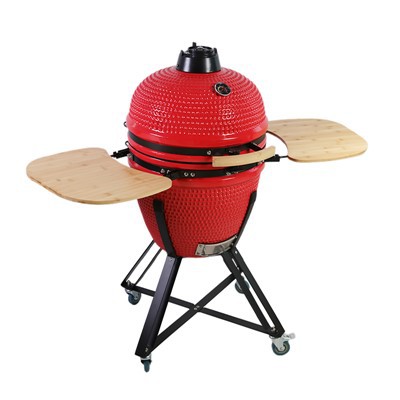
If you’re in the market for a high-quality steel fire pit with excellent insulation, we’re here to help. Our steel fire pits are designed with the latest insulation technology to ensure maximum safety, energy efficiency, and comfort. Whether you’re looking for a fire pit for your backyard, patio, or commercial space, we have a wide range of options to choose from.
Portable Grill Contact us today to learn more about our steel fire pits and how they can enhance your outdoor living experience. We’re happy to answer any questions you may have and help you find the perfect fire pit for your needs.
References
- "Thermal Insulation Materials and Systems." ASHRAE Handbook – Fundamentals.
- "Fire Pit Safety and Design Considerations." National Fire Protection Association.
- "Insulation for High-Temperature Applications." Ceramic Fibers Association.
Huzhou Blue Carp Co., Ltd.
With abundant experience, we are one of the most professional steel fire pit manufacturers in China. Please rest assured to wholesale cheap steel fire pit for sale here from our factory. If you have any enquiry about custom service, please feel free to email us.
Address: Longxi Subdistrict, Huzhou South Taihu New Area, Huzhou City, Zhejiang Province, China
E-mail: tonycheung@bluecarpbbq.com
WebSite: https://www.bluecarpbbq.com/
